Guide to Medical Device Management
UPS Healthcare • June 29, 2026 • 6-minute read
A single gap in your medical device supply chain could put care at risk. This guide shows you how to close those gaps fast, from device lifecycle management to real-time visibility and reverse logistics.
Author: Mark Lierens
Business Development Manager UPS HealthTech™
Healthcare is undergoing a profound transformation. The rapid rise of connected medical devices, software-enabled diagnostics, and data-driven care models is redefining how patients are treated and monitored. From remote patient monitoring to AI-powered imaging systems, Health technology is no longer a niche - it is becoming central to modern healthcare delivery.
Yet while innovation accelerates the clinical and technological front, many supply chains remain rooted in legacy models. Systems designed to move products from A to B are now being asked to support complex, high-value ecosystems where performance, uptime, and data integrity are critical. This mismatch is creating friction at precisely the moment when healthcare systems need reliability the most.
The Growing Complexity of Health Technology Supply Chains
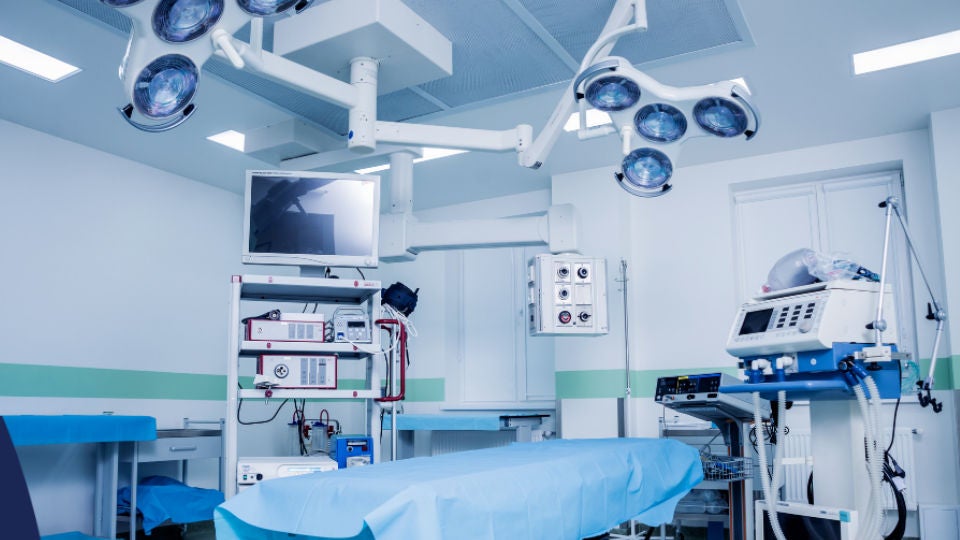
Unlike traditional medical products, health technology solutions are dynamic. They combine hardware, software, connectivity, and ongoing service requirements. A device is no longer just delivered - it must be installed, integrated, maintained, and sometimes upgraded remotely.
In this environment, logistics is no longer a back-end function. It becomes a critical enabler of clinical performance.
A necessary shift: from shipping to orchestration
To meet these demands, healthcare organizations must rethink the role of logistics entirely. The objective is no longer to simply transport devices, but to ensure that those devices function reliably within a broader care ecosystem.
This requires a shift from transactional logistics to end-to-end orchestration - where every stage of the device lifecycle is managed in a coordinated, intelligent way.
In practical terms, this means designing supply chains that are not only efficient, but also resilient, transparent, and responsive. It means integrating physical flows with digital insights, and aligning logistics operations with clinical priorities.
Building a Logistics Framework with Health Technology
To support this transformation, organizations need a structured approach. A HealthTech-ready supply chain can be built around five key pillars:
1. Device lifecycle management
HealthTech devices require oversight across their entire lifecycle - from manufacturing and distribution to deployment, maintenance, and eventual decommissioning. Effective lifecycle management ensures traceability, quality control, and optimal asset utilization at every stage.
2. Field service and installation
Delivery is only the beginning. Devices often need to be installed, calibrated, and integrated into existing clinical environments. Coordinating skilled technicians, scheduling installations, and ensuring first-time-right execution are critical to minimizing downtime and accelerating time to value.
3. Real-time visibility and monitoring
In a connected ecosystem, visibility is essential. Organizations need real-time insights into device location, status, and performance. Advanced monitoring capabilities enable proactive issue resolution, reduce disruptions, and support data-driven decision-making.
4. Regulatory and quality integration
HealthTech operates in a highly regulated environment. Compliance must be embedded throughout the supply chain, from transportation conditions to data handling protocols. Integrating quality management systems with logistics processes helps ensure consistency and accountability.
5. Reverse logistics and refurbishment
As devices are repaired, upgraded, or replaced, reverse logistics becomes increasingly important. Efficient return flows, refurbishment processes, and asset recovery strategies can reduce costs, extend product lifecycles, and support sustainability goals.
From Theory to Practice: Enabling Better Outcomes
Consider a global health technology manufacturer deploying remote monitoring devices across multiple markets. In a traditional model, devices would be shipped to distribution centers and forwarded to healthcare providers, with limited visibility beyond delivery.In an orchestrated model, the process looks very different.
Devices are tracked in real time from production to installation. Field service teams are scheduled proactively, ensuring rapid deployment. Performance data is monitored continuously, allowing potential issues to be identified before they impact patients. When devices require maintenance or replacement, reverse logistics processes are triggered seamlessly.
The result is not just operational efficiency - it is improved patient care. Devices are available when needed, function as intended, and are supported throughout their lifecycle.
The Impact: Reliability, Access, and Cost Efficiency
Organizations that adopt this approach can unlock significant benefits:

Looking Ahead: The Future of Health Technology Supply Chains
As health technology continues to evolve, supply chains will become even more sophisticated. The integration of advanced analytics, automation, and artificial intelligence will enable predictive and, eventually, autonomous operations.
Imagine a supply chain that can anticipate device failures before they occur, automatically dispatch replacement units, and coordinate service interventions without manual input. Or one that dynamically adjusts inventory and distribution strategies based on real-time patient demand.
These capabilities are not far off - but they require a foundation built on visibility, integration, and orchestration.
Enabling The Next Generation of Healthcare
In this new landscape, logistics providers must evolve from service vendors to strategic partners. They must combine global reach with specialized expertise, and operational excellence with technological innovation.
UPS HealthTech™ solutions are positioned to support this transformation by delivering integrated solutions that span the entire device lifecycle. From global distribution and control tower capabilities to field service coordination and reverse logistics, UPS enables healthcare organizations to navigate complexity with confidence.
By bridging the gap between technology and operations, UPS HealthTech solutions help ensure that innovation in healthcare translates into real-world impact - where it matters most: at the point of care.
More Blogs
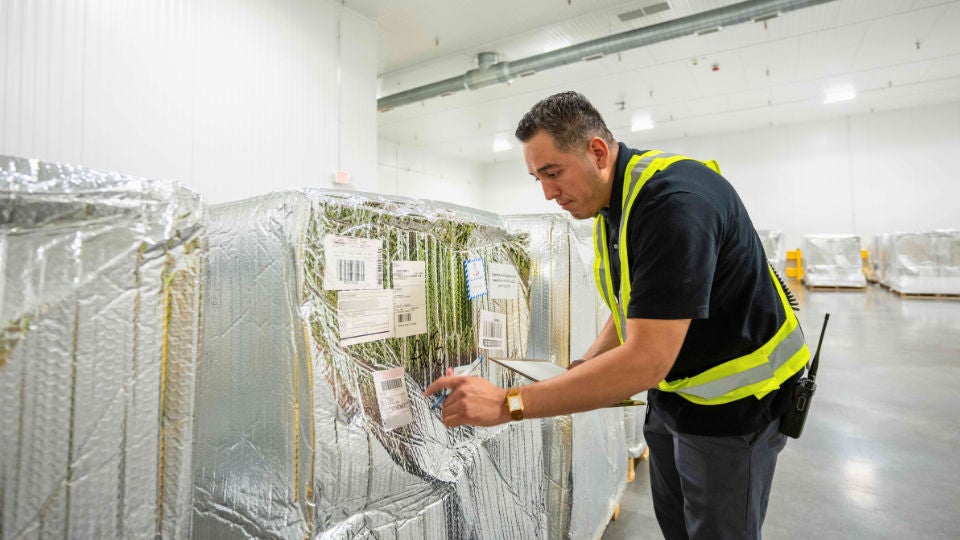
Building a Resilient Cold Chain Pharma Airfreight Network
Product integrity and your patients’ safety depend on precise temperature control. This manufacturer’s guide shows you how to build a compliant, reliable airfreight network and why the right logistics partner is key to your success.
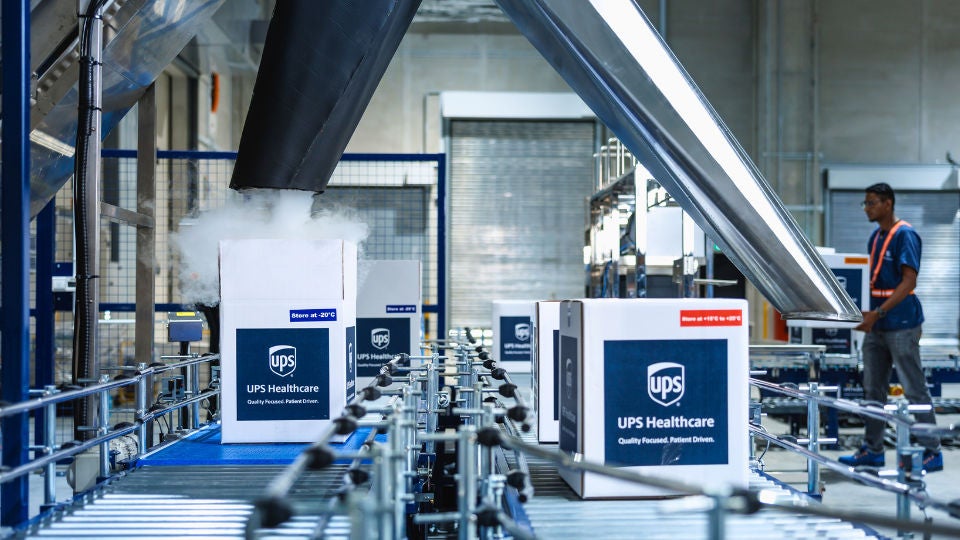
Delivering Advanced Cancer Therapies in Asia
As demand for Antibody-Drug Conjugates (ADCs) grows across Asia, UPS Healthcare supports their safe and efficient delivery through advanced logistics infrastructure, cold chain solutions, and expertise.
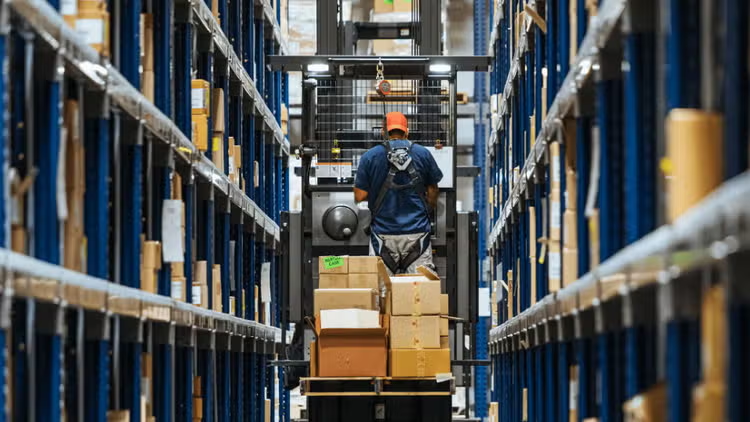
How Healthcare Logistics & Distribution Powers Pharma Success
Learn how the right supply chain strategy helps pharma and biotech deliver delicate products reliably and efficiently, turning logistics into a competitive advantage.