Building a Resilient Cold Chain Pharma Airfreight Network
UPS Healthcare • December 19, 2025 • 6-minute read
Product integrity and your patients’ safety depend on precise temperature control. This manufacturer’s guide shows you how to build a compliant, reliable airfreight network and why the right logistics partner is key to your success.
Author: Jeff Walsingham
Director of Marketing at UPS Healthcare
For pharmaceutical manufacturers, few aspects of global distribution are as mission-critical—or as complex—as managing temperature-controlled airfreight. The integrity of your product doesn’t just represent commercial value; it represents your patients’ safety, brand trust, and years of scientific innovation.
Yet, despite all the technological progress in biopharma, many manufacturers still face the same persistent challenge: how to maintain an unbroken cold chain across multiple borders, carriers, and climates.
“Building a resilient cold chain airfreight network isn’t simply about moving boxes—it’s about engineering a system of control, visibility, and quality assurance that protects your products and your reputation.”
Let’s explore how manufacturers can design such a network—and turn what has traditionally been a liability into a strategic advantage.
The Challenge
Airfreight is the lifeline of modern pharmaceutical logistics. It enables rapid, global access for time- and temperature-sensitive products like vaccines, biologics, and advanced therapies. But speed alone doesn’t guarantee safety.
Pharma manufacturers consistently grapple with:
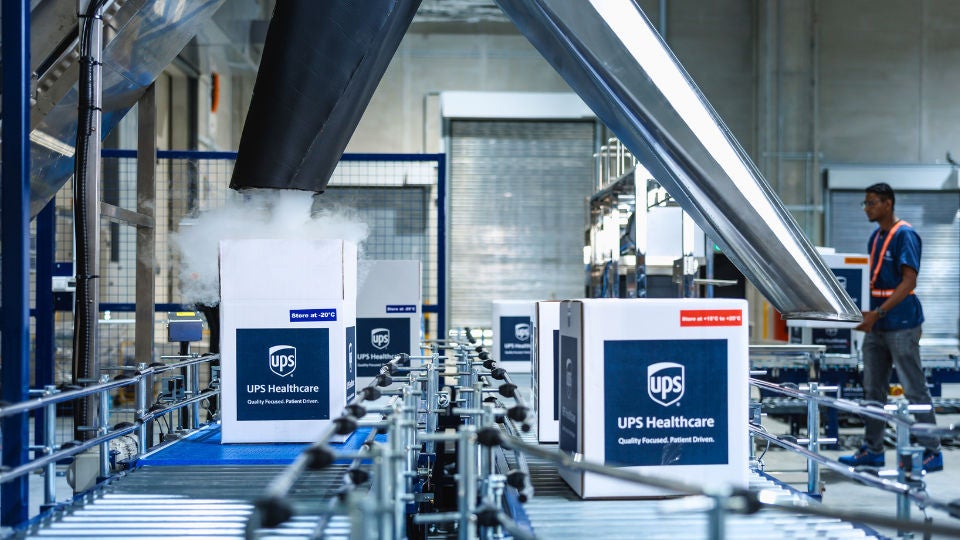
For manufacturers, the consequences of failure are severe—not just in terms of financial loss, but also in compliance exposure and damage to brand credibility.
The Vision
Building a truly resilient cold chain airfreight network doesn’t happen by chance—it’s the result of deliberate design and strategic planning.
The goal is not just to react to disruptions but to prevent them before they happen. This means creating a controlled ecosystem where every lane, partner, and process is validated, monitored, and continuously improved.
Imagine a network where:
- Each route is pre-qualified for temperature stability.
- Every carrier and handler operates under harmonized GDP standards.
- Shipments are continuously monitored in real time.
- Data drives proactive decisions, not reactive firefighting.
This is the new benchmark for manufacturers who view logistics not as an afterthought, but as a strategic enabler of product quality and market success.
The Blueprint to Resilience
Pharma manufacturers aiming to build or strengthen their airfreight cold chain should focus on five core pillars:
1. Strategic Lane Qualification
Not all routes are created equal. Each airfreight lane presents unique challenges—from climate exposure during tarmac handling to customs clearance delays.
Conduct lane qualification studies to validate:
- Temperature performance and risk profiles
- Infrastructure at origin, transit, and destination airports
- Carrier reliability and lead times
- Ground handling and storage conditions
A data-driven qualification process ensures your logistics team can select routes based on real-world performance, not assumptions.
2. Certified, Compliant Partners
Partner selection is one of the most critical decisions a manufacturer can make. Collaborate only with IATA CEIV Pharma- or GDP-certified carriers, forwarders, and ground handlers who can demonstrate adherence to global best practices.
Certified partners ensure that every touchpoint—from aircraft loading to last-mile handover—meets your quality expectations and regulatory obligations. This alignment reduces variability and enhances compliance consistency across markets.
3. Intelligent Packaging & Real-Time Visibility
Manufacturers increasingly leverage active and passive packaging solutions equipped with real-time IoT sensors to track temperature, humidity, and location throughout the journey.
Pair this with centralized visibility platforms that provide:
- Continuous monitoring of in-transit conditions
- Predictive alerts before temperature thresholds are breached
- Actionable insights for logistics and QA teams
This combination transforms the cold chain from a black box into a transparent, data-rich environment—allowing manufacturers to respond in minutes, not hours.
4. Integrated Quality Management
For pharmaceutical companies, logistics is an extension of manufacturing quality—not a separate process.
A robust Quality Management System (QMS) ensures that transportation SOPs, deviation management, and CAPA (Corrective and Preventive Action) processes are fully integrated with your manufacturing quality framework.
Regular partner audits, joint training, and deviation reviews should be built into your network governance model. This ensures audit readiness and reinforces your company’s commitment to your patients’ safety and product integrity.
5. Continuous Improvement Through Data and Collaboration
The most successful pharma supply chains operate as living systems—continuously adapting based on performance data.
Manufacturers can use analytics to:
- Identify recurring excursion risks or lane delays
- Compare carrier performance by lane and season
- Optimize cost-to-quality ratios
- Forecast capacity needs during high-demand periods (e.g., flu season or product launches)
By sharing this intelligence across your logistics ecosystem, you foster a culture of collaboration that drives measurable improvement over time.
Why It Matters
In pharmaceutical manufacturing, precision defines everything—from formulation to filling to final delivery. Extending that same precision into your logistics network is the natural next step.
A purpose-built cold chain airfreight network doesn’t just protect products—it protects your patients, brand reputation, and the promise your company makes every day: that every dose delivered is as safe and effective as the day it left the production line.
How UPS Healthcare Can Support You
Ready to strengthen your airfreight cold chain strategy? By aligning your logistics, quality, and data strategies with UPS Healthcare, you can transform cold chain complexity into confidence—ensuring every shipment delivers on your commitment to quality, compliance, and care.
Here’s how we support Pharmaceutical Manufacturers with their critical temperature -controlled Airfreight:
- Temperature-Controlled Airfreight Cross Docks: Take advantage of the UPS Healthcare® global network of temperature-controlled pharma Airfreight handling facilities, strategically located adjacent to the most important airports for pharma manufacturers, all with the prestigious IATA CEIV Pharma Certification, ensuring the safe, compliant, and high-quality handling of pharmaceutical products that your patients depend on.
- Cold Chain & Ambient Expertise: From validated packaging to temperature-controlled transportation, we ensure product integrity is maintained—whether across town or across continents.
- Global Control Tower: A 24x7x365 global control tower that provides the highest level of service, monitoring, intervention, and recovery for all cold chain Airfreight for proactive risk mitigation.
In a world where every degree matters, control is power—and partnership turns that power into lasting value, you can count on UPS Healthcare.
More Blogs
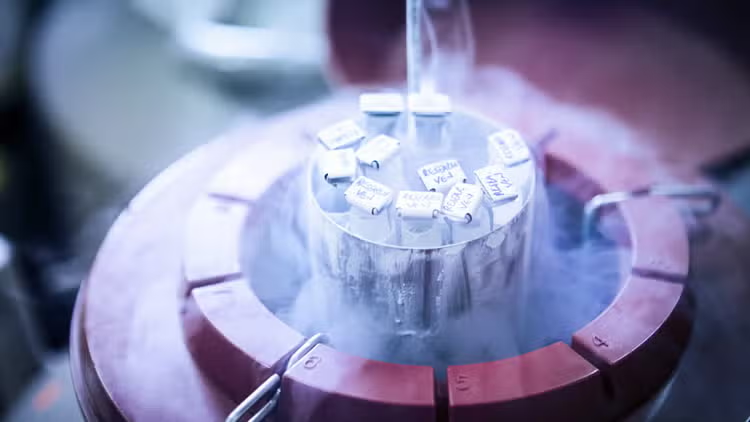
Carrying Rare Cures Across Miles
From fragile vaccines to hopeful patients, explore the extraordinary efforts and cutting-edge logistics that turn scientific breakthroughs into life-saving realities.

Rethinking Clinical Trials in Latin America
Exploring the rise of a booming research market, challenges of representation, and strategies to address logistical challenges.
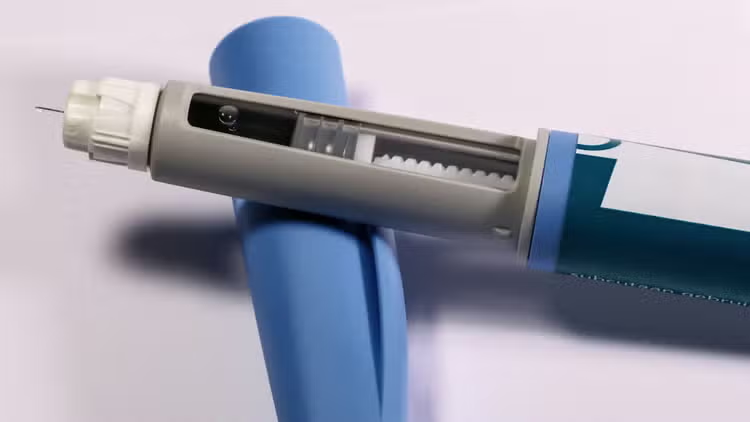
GLP-1 Medications Are Revolutionizing Healthcare —Here’s How
Learn how innovation and cutting-edge logistics make these therapies accessible for all.