Inventory Management

Explore inventory management strategies that drive better customer experiences while reducing cost to serve.
Explore UPS Inventory Management Insights & Resources
White papers, merchant surveys, articles and interviews with the strategists at UPS to keep you informed on the latest inventory management strategies and trends.
WHITEPAPER
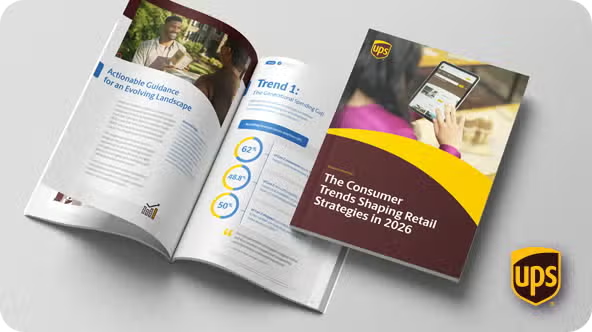
2026 Retail Consumer Trends
New research from UPS provides insights into the generational wealth gap and its impact on consumer spending habits, the rising trend of seasonal spending surges and the merging of digital and physical shopping environments.

ARTICLE
4 Ways to Improve Customer Satisfaction
Learn simple steps that can foster frictionless retail experiences and keep customers coming back for more.

ARTICLE
5 Steps for a Future-Ready Warehouse
Solid relationships with suppliers and retailers come down to reliability and service.
Q & A
Demand Signals: Smarter Forecasting, Faster Fulfillment and the Future of Wholesale
Wholesalers face shrinking margins, volatile demand and rising customer expectations. Here’s how real-time data and supply chain organization can help them adapt.
RESEARCH REPORT
Faster Retail Fulfillment
Download the latest retail fulfillment report from UPS to discover how demand forecasting, network optimization and AI can improve retail fulfillment speed and lower costs.

Q & A
How Peak Technology Positions Wholesalers for Success
Peak season is all about using the right technology, smarter data and trusted partners to handle what comes your way.

Q & A
How Smarter Returns Management Can Lead to Retail Growth
A returns management solution that emphasizes convenience and customer service can give retailers a competitive edge.

ARTICLE
Inventory Strategies for Upstream Agility and Fast Fulfillment
Rapidly changing customer behaviors require inventory strategies focused on accuracy, real-time data and responsive fulfillment.

ARTICLE
Lean Inventory Management for Luxury Retailers
Discover how lean inventory management strategies can help retailers succeed through trends and cycles.

ARTICLE
Managing Reverse Logistics and Sustainability for Premium Electronics
Discover how reverse logistics help electronics brands manage returns, reduce waste and recover value in a fast-moving cycle.

WHITEPAPER
Preparing for Your Peak
No matter when demand peaks for your business, UPS can help you confidently meet customer demand.

ARTICLE
Reducing Return Fraud
No matter when demand peaks for your business, UPS can help you confidently meet customer demand.
WHITEPAPER
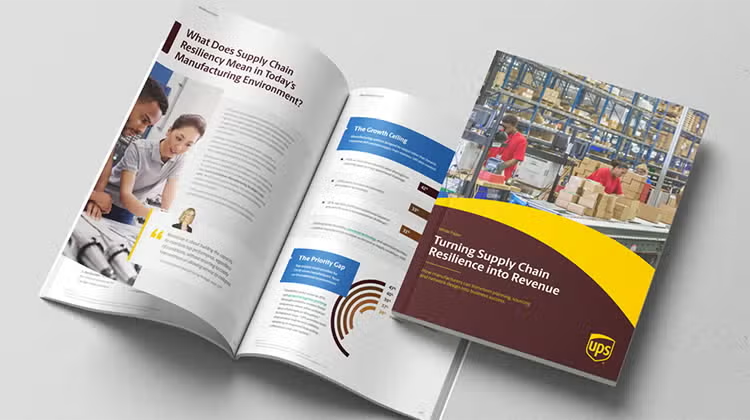
Supply Chain Resilience
Survey data from UPS reveals how today’s manufacturers are leveraging demand planning, supplier diversification and network design to build more resilient supply chains that drive revenue and enable scale.
RESEARCH REPORT
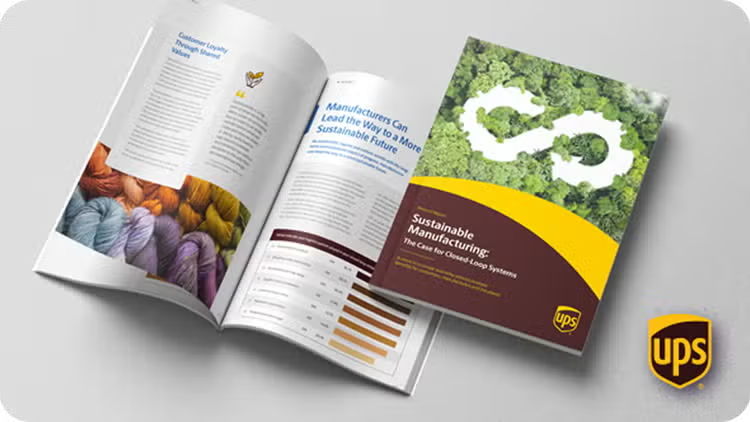
Sustainable Manufacturing
Download the circular economy research report from UPS to learn why more manufacturers are implementing closed-loop manufacturing practices.

ARTICLE
The Business Benefits of Inventory Optimization
Discover expert insights, tech trends and how UPS helped one manufacturer cut inventory by 11.7% and saved $1.3M.

ARTICLE
The Post Purchase Experience
When returns management is optimized, retailers protect margins and deliver a more consistent customer experience.

ARTICLE
Turn Reverse Logistics Challenges Into Opportunities
A smart reverse logistics strategy can help limit financial loss, boost customer satisfaction and potentially recoup revenue.

ARTICLE
Ways to Boost Inventory Visibility for Greater Stock Accuracy
Tech-enabled inventory visibility has transformed supply chain management, allowing wholesalers to remain agile and responsive to customer demand and market changes.

ARTICLE
Win Customer Loyalty with Omnichannel Retail Strategies
Seamless delivery options, smarter tracking and easy returns are more than customer perks — they’re expectations.
ARTICLE
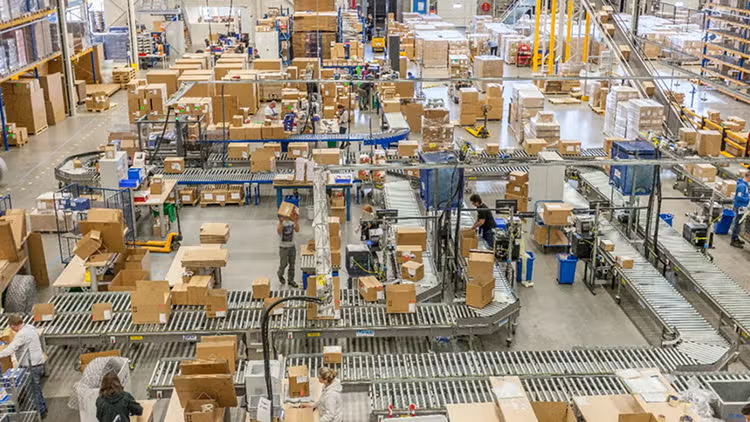
Warehouse Risk Assessment: Optimize Your Retail Operations
Conducting a warehouse risk assessment can help retailers uncover operational blind spots, improve fulfillment performance and identify opportunities to reduce costs, increase efficiency and strengthen the customer experience.
Frequently Asked Questions
UPS services support inventory management by helping you move, track, receive, fulfill, and return products. Relevant capabilities include:
- Tracking for inbound and outbound shipments.
- Shipping technology and APIs that connect UPS functions with your business systems.
- Pickup and delivery options that fit your receiving and fulfillment schedules.
- Warehousing, distribution, and fulfillment solutions through UPS SCS.
- Customs brokerage and international trade support for globally sourced inventory.
- Returns services that help products move back through your supply chain.
- Supply chain consulting to review transportation, network, and process opportunities.
UPS shipment data can inform your planning, though you may still need an inventory, order, or warehouse management system to maintain on-hand stock records.