Consumer Trends

Learn how to stay ahead of evolving consumer preferences.
Explore UPS Consumer Trends Insights & Resources
White papers, articles, consumer survey data and interviews with the strategists at UPS to keep you informed on the latest consumer buying trends and delivery expectations.
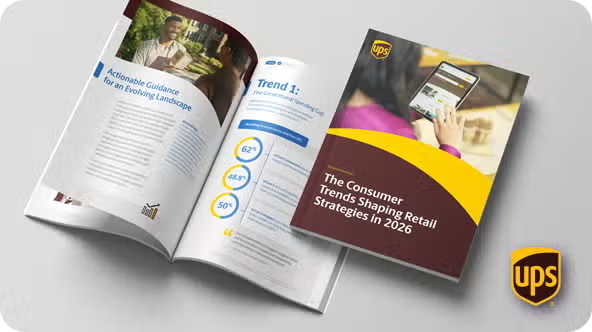
WHITEPAPER
2026 Retail Consumer Trends
New research from UPS provides insights into the generational wealth gap and its impact on consumer spending habits, the rising trend of seasonal spending surges and the merging of digital and physical shopping environments.
ARTICLE
4 Ways to Improve Customer Satisfaction
Learn simple steps that can foster frictionless retail experiences and keep customers coming back for more.
ARTICLE
Avoid Surprise International Fees with Delivery Duty Paid (DDP)
Learn how to avoid surprise fees for your international customers with greater transparency at checkout.
ARTICLE
Best Practices for Luxury, Premium and High-Value Goods Transport
With the right solutions, shippers gain end-to-end visibility, protection and control.
Q & A
Demand Signals: Smarter Forecasting, Faster Fulfillment and the Future of Wholesale
Wholesalers face shrinking margins, volatile demand and rising customer expectations. Here’s how real-time data and supply chain organization can help them adapt.

ARTICLE
Fuel Agility and Profits with Supply Chain Planning and Flexibility
Discover how dynamic capacity and last-mile delivery strategies can help wholesalers meet customer demand.

ARTICLE
Gen Z Buying Habits and Wealth Boom
Gen Z is projected to inherit trillions in the near future, but their shopping influence is taking shape today.
Q & A
How Luxury Consumer Discretionary Spending is Evolving
Luxury brands are discovering more ways to protect their prestige and adapt to consumer needs and spending intentions.

ARTICLE
How Luxury Goods Logistics Delivers Unforgettable Experiences
Premium delivery is dependable delivery. Learn how luxury brands can make every unboxing a moment worth remembering.

ARTICLE
How to Protect Premium Goods from Transit Damage and Theft
The right packing materials, and delivery management strategies can help prevent package damage and protect brand reputation.

ARTICLE
Lean Inventory Management for Luxury Retailers
Discover how lean inventory management strategies can help retailers succeed through trends and cycles.

ARTICLE
Mastering Omnichannel Strategy: From Transaction to Touch Point
Create an omnichannel shopping experience that powers seamless customer journeys.

ARTICLE
Production Planning for a Dynamic World
Manufacturers are increasingly turning to proactive planning, shorter batch cycles and relocation strategies to meet today’s consumer demand shifts.

CASE STUDY
Urban Ambiance Trusts UPS
Why Urban Ambiance trusts UPS to deliver an excellent customer experience. You can too.
ARTICLE
The Post Purchase Experience
When returns management is optimized, retailers protect margins and deliver a more consistent customer experience.

ARTICLE
Ways You Can Build Strong Customer Relationships
Win customer loyalty through efficiency, accuracy, reliable delivery and frictionless support.

ARTICLE
Win Customer Loyalty with Omnichannel Retail Strategies
Seamless delivery options, smarter tracking and easy returns are more than customer perks — they’re expectations.
Frequently Asked Questions
Consumer behavior varies by generation, product category, and shopping channel. Here are 10 trends worth watching:
1. Generational differences in spending and saving.
2. Multiple demand peaks throughout the year, not only the holiday season.
3. Greater use of AI for demand planning and inventory decisions.
4. AI-supported product recommendations, visualization, and customer service.
5. Growth of retail media networks that use first-party shopper data.
6. Expansion of social commerce and in-platform shopping.
7. Steady demand for both in-store and online shopping.
8. Preference for flexible fulfillment, including home delivery and pickup.
9. More selective splurging as consumers try to save.
10. Omnichannel experiences that connect discovery, purchase, delivery, and returns.
The strongest strategies use current customer and sales data to decide which trends matter most for your audience.