From Status to Circular: Managing Reverse Logistics and Sustainability for Premium Electronics
Personal electronic devices have become status symbols, leading to faster upgrade cycles that increase returns volumes and pressure on reverse logistics networks.
July 15 2026 • 7 minute read
Author: Jessica Denbo Smith, Director, US Marketing, UPS
Key Points
- Shorter electronics and tech upgrade cycles are driving more complex returns, faster processing demands and rising electronic waste.
- Nearly one in three U.S. adults identifies as an early adopter, increasing demand for new tech releases.1
- As timelines for electronics upgrades shorten, reverse logistics is shifting from a back-end function to a strategic value driver.
Why Is Reverse Logistics So Important for Consumer Electronics Brands?
Consumer electronics brands are now managing complex returns environments as tech upgrade cycles accelerate and trade-in programs expand.
For premium brands, reverse logistics now plays a direct role in supporting customer experience by protecting product value and helping recover inventory faster.
“Consumers are trying to keep pace by upgrading, not because their devices no longer work, but because they no longer align with expectations or identity,” says Rohit Bhalla, High Value Goods Strategic Lead, UPS. “As upgrade cycles shorten, return volumes increase and become less predictable, which puts pressure on reverse logistics systems as they handle higher volumes, tighter timelines and more complex exchanges.”
To help businesses manage growing returns volumes, UPS supports streamlined experiences with label-free and box-free returns. Brands can also encourage shoppers to use UPS Access Point® locations for returns drop-offs and other streamlined returns options.
What’s Fueling the Trading-Up Culture?
Consumer demand for newer devices continues to increase as brands introduce exciting features and make their upgrade programs more visible.
Several factors continue shaping this upgrade cycle, including:
- Product design and feature differentiation
- Brand positioning and perceived status
- Social signaling and visibility of new devices
As these influences build, upgrading becomes less about necessity and more about staying in sync as expectations continue to reset. As new devices become visible and widely adopted, they redefine what’s considered current, reinforcing the cycle.
This dynamic is effective. Research shows that about 30% of U.S. adults see themselves as early adopters, eager to be among the first to try new technology products.1 These consumers are trend-conscious and likely to stay current, reinforcing a “keeping up” culture. These early adopters help launch products, offer vital design feedback and, if successful, spread the word among their peers.
Gifting is another driver of this upgrade cycle. Parents and grandparents are increasingly choosing premium electronic devices for holidays, birthdays and graduations. But these gifts don’t always land perfectly. Mismatches and personal preferences often lead to returns.
While individual returns are unpredictable, they tend to show up in predictable post-holiday and promotional waves. The result is a more concentrated return cycle.
Faster upgrade cycles are driving growth, but they’re also increasing operational complexity for electronics brands and retailers through higher returns volumes, greater processing demands, and increased electronics recycling to support sustainability.
The Rising Complexity of Reverse Logistics in Electronics
Upgrading not only boosts sales, but it also ramps up the volume, speed and complexity of returns, which is exactly what reverse logistics must manage.
As more consumers trade up, more products move in reverse through the supply chain. What was once a secondary process has become a primary operational function, handling higher volumes, tighter timelines and greater variability. In a market fueled by upgrades, reverse logistics doesn’t just support growth; it helps sustain it.
Survey results from the “UPS B2B Merchant Study” show that as more companies adopt closed-loop models and trade-in programs expand, reverse logistics systems have to scale to handle higher volumes efficiently.*
At the same time, they must preserve product value, condition and brand integrity, including throughout the shipping journey.
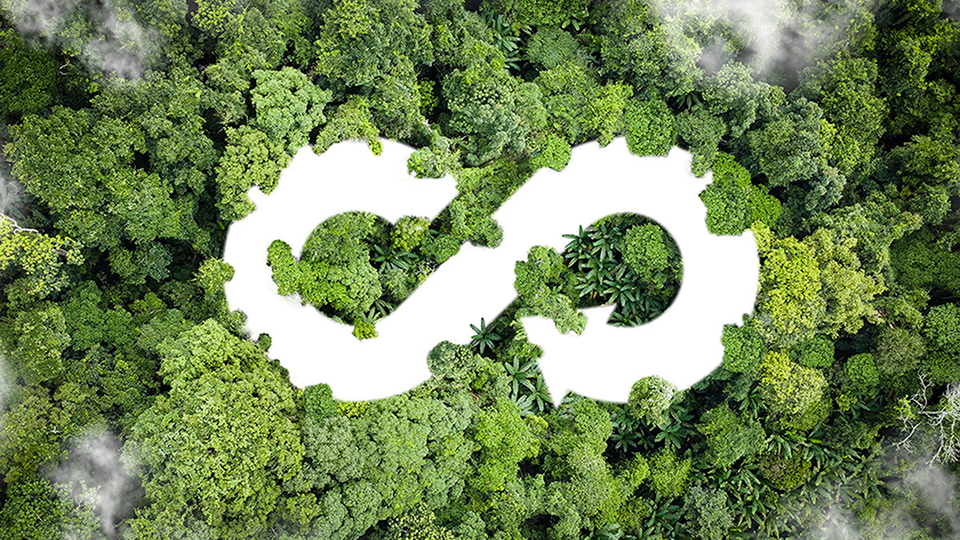
How To Reduce Electronics Waste
Electronics waste has become a growing concern as demand for devices continues rising and upgrade cycles speed up. The world generated 62 million metric tons of electronics waste in 2022 and is projected to hit 82 million metric tons by 2030.2 Reducing that waste starts with examining a device’s full life cycle, not just end-of-life outcomes. This means extending the device’s lifespan through better product design with a focus on resource efficiency, repairability and longer software support.
Once the product is returned, it doesn’t just get discarded. It goes through a systematic process designed to maximize value:
- Inspection and grading to determine condition
- Refurbishment or resale as open-box or certified devices
- Parts recovery for components like chips, cameras and screens
- Material recycling for metals, plastics and glass
What looks like disposal is actually a deliberate, multistep process designed to recover value, minimize electronics waste and reintroduce materials into the next generation of products. Recycling is important, but extending product life through reuse or refurbishment delivers greater value.
“For premium brands, extending product life also helps protect long-term value and reinforce product quality in secondary markets,” Bhalla explains.
Reverse Logistics: The Engine That Keeps Moving Everything Moving
Imagine a customer buys a premium smartphone or another electronic device, then decides to upgrade shortly afterward through a trade-in, exchange or return. So, they return the original item, either in-store or through a carrier drop-off, and the product reenters the reverse logistics network.
From there, the real work begins.
- The device goes to a returns center, where it is inspected, graded and sorted by condition.
- If it’s unopened, it might go back on the shelf. If it’s lightly used, it might be resold as open-box or refurbished.
- If the device is damaged, it’s repaired or stripped for parts.
All of this has to happen fast because electronics depreciate quickly.
What seems like a simple return quickly creates operational complexity across the reverse logistics network. (LINK TO Sustainable Manufacturing: Overcoming Challenges WHEN PUBLISHED.) Each device comes back with its own variables—model, condition, configuration and destination—and each needs a different processing route.
Unlike forward logistics, where products follow predictable flows, returns are harder to standardize. For premium electronics, how products are recovered, routed and redistributed directly impacts resale value and brand perception.
How Increasing Returns Volumes Are Reshaping Reverse Logistics
When you multiply demand by thousands or millions of devices, it becomes a constant balancing act—moving inventory where it’s needed, preserving value through speed and fulfilling exchanges simultaneously. Reverse logistics now plays a larger operational role across electronics supply chains. It’s a fast-paced, decision-heavy network that keeps the entire system running, especially as premium brands are expected to deliver consistent experiences during peak demand and beyond.
The shift is also changing retail economics as pressure on logistics networks intensifies. According to the National Retail Federation, returns hit an estimated 17% of total retail sales in 2025.3 In electronics, faster upgrade cycles are fueling this surge in returns activity as consumers trade up more frequently, driving higher shipment volumes and the potential for fraud. What was once a predictable replacement cycle is now a continuous flow requiring greater visibility, precision and control to keep goods moving efficiently while minimizing costs and disruptions.
Without strong returns management strategies in place, what should be a seamless upgrade experience can quickly erode margins and strain operations. Frequent upgrades generate sustained reverse logistics flows, prompting retailers to reevaluate how they manage returns.
In an economy shaped by faster upgrade cycles, reverse logistics has become a strategic capability for electronics brands. Companies that can bring products back into the supply chain are in a stronger position to preserve value, support customer expectations and reduce waste.
Closed Loop Systems in Electronics: Protecting Value and Reducing Waste
A closed-loop manufacturing system redefines what happens when a product comes back. Instead of treating returns as the end of the line, companies recover, refurbish and recycle them, turning “end of life” into “next use.” Rather than losing value, they recapture it, transforming returns, trade-ins and used devices into an ongoing source of inventory, recovered materials and growth.
Research shows this approach is already gaining traction, with 50.3% of manufacturers implementing closed-loop processes and another 34.2% planning to adopt them.* In premium consumer electronics, this makes reverse logistics far more than a side function; it’s core to how the system operates. It directly impacts how much value is recovered, how efficiently brands operate and how competitive they remain in a market driven by constant upgrades. Manufacturers are already seeing measurable benefits, including improved revenue (47.9%) and reduced unit costs (39.1%) from closed-loop initiatives.**
“As trade-ups become more frequent, the ability to take products back, assess them quickly and put them back into the system can make the difference between profitable growth and mounting costs,” Bhalla says.
Reverse logistics is a strategic capability rather than simply a cost center. Done right, it protects margins in a fast-depreciating category, powers trade-in and upgrade programs, unlocks secondary revenue streams and delivers the visibility needed to manage high-volume returns.
Electronics brands are increasingly looking for reverse logistics partners that can help them recover products faster and make returns easier for customers. Convenient drop-off options and efficient returns workflows can help businesses recover inventory faster while protecting product value.
“In a world marked by constant upgrading, the brands that win are the ones that can move products backward just as smoothly as they move them forward,” Bhalla says. “UPS supports retailers through returns services that help businesses recover products faster and make returns easier for customers.”

1 Why Early Tech Adopters Are an Audience All Brands Need to Know, Morning Consult, May 19, 2025.
2 On the Way to a Circular Economy in Electronics – a Comprehensive Overview, PCIM Magazine, May 6, 2025.
3 Consumers Expected to Return Nearly $850 Billion in Merchandise in 2025, National Retail Federation, October 15, 2025.
The UPS B2B Merchant Study was distributed in an online format to 2,337 respondents in the U.S. The study ran December 1-14, 2025. QUESTIONS: *Are you currently implementing any closed-loop manufacturing processes? **What part of your business has been most impacted for the better by implementation of a closed-loop system?
Individual results and options will vary. UPS makes no promises of any specific outcome in this document but instead provides only example outcomes based on certain UPS customer experiences.