Luxury Consumer Trends for Retailers: What’s Changing Now
Luxury brands are discovering more ways to protect their prestige and adapt to consumer needs and shifting spending habits.
February 5, 2026 • 6 minute read
Author: Jessica Denbo Smith, Director, US Marketing, UPS
Key Points
- Consumers have pulled back their high-end spending by 1% to 3%, signaling an opportunity for high-end brands to rethink the way they connect with new and existing customers.1
- UPS research found that approximately 49% of Gen Z customers rank affordability, value and availability of products as their top purchasing priorities.*
- Although they have less spending power today, Gen Z is on track to inherit $72 trillion by 2035,2 signaling the importance of establishing strong retailer-customer relationships now.
How Can Businesses Improve the Luxury Customer Experience?
Businesses can improve the luxury customer experience by making every interaction with the brand feel reliable and convenient. Simple steps like validating the shipping address, offering multiple delivery options and providing real-time package tracking can make buying high-value goods feel easier and more secure for customers.
As shoppers become more selective about where they spend, those details can help brands retain existing customer relationships and build new ones.
Buyer Values Are Reshaping Luxury Consumer Trends
High-end brands from Los Angeles and New York to Paris and Tokyo have long relied on their exclusivity and prestige to attract new customers and keep their faithful followers satisfied. But shifting consumer discretionary spending, evolving luxury consumer trends for retailers and a growing interest in brand values have challenged these companies to find new ways to connect with customers.3
As consumer discretionary spending has slowed, shoppers are paying closer attention to the overall buying experience. UPS research found that 49% of Gen Z say they’re focused on affordability and value,* and 50% of these shoppers say they’re using better budgeting to save money.** However, by 2035, these young shoppers are expected to inherit $72 trillion,2 making them tomorrow’s high-value and luxury customers with high product and experience expectations.
For luxury brands, shipping and delivery have become a strong opportunity to meet customer expectations. Rohit Bhalla, High-Value Goods Strategic Lead, UPS, offers insight into how high-end brands can adapt to keep customers coming back.
What are the two biggest things high-end brands can do to differentiate the luxury customer experience through shipping and delivery?
“First, have an address validation system in place at the point of purchase. These tools are critical to ensuring a seamless customer experience from end to end.
Proactive brands collect the delivery address at the time of the online purchase and validate its accuracy, ensuring that if there is an error, it’s corrected in real time. An inaccurate address or error could cause a delay in shipping, which can impact the consumer’s view of the brand/carrier’s delivery reliability, as well as their overall experience with the brand.
Second, give customers multiple options for where they want their purchase delivered. Oftentimes, brands request a single shipping address — but what about giving them more delivery destination options, such as a third-party delivery location?
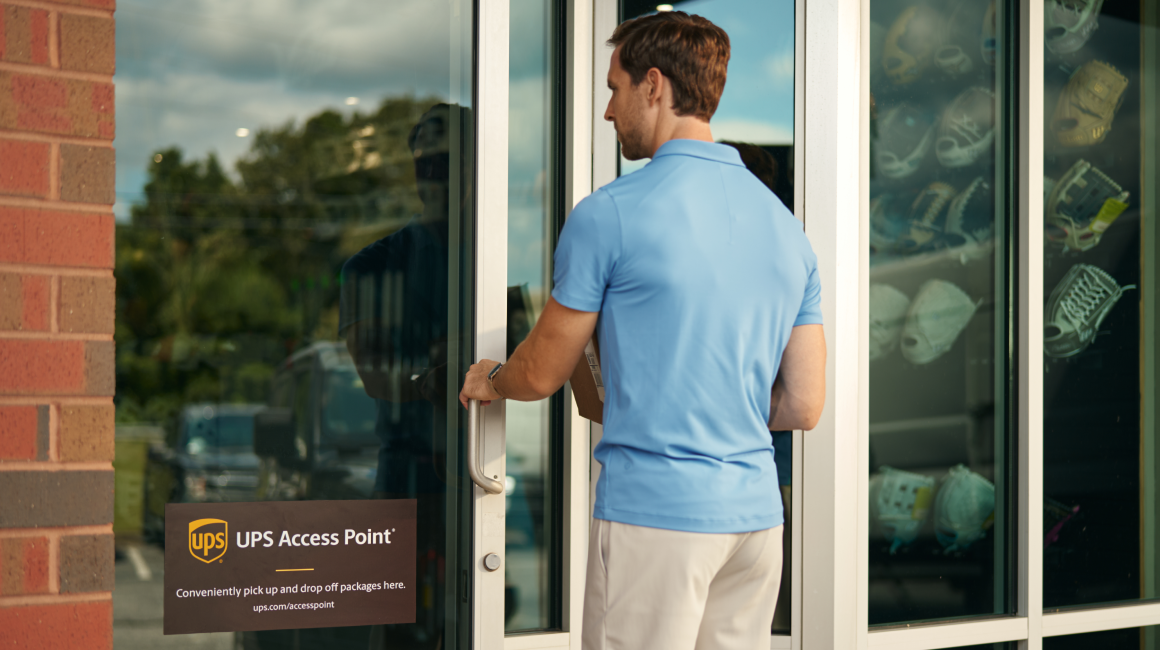
Customers shopping for high value goods, for example, may appreciate a third-party pickup location, knowing that their package, be it a $5,000 watch or high-end electronics, will be safe from porch pirates. This option also allows them the convenience of not having to be home to provide a signature confirmation for delivery of their high-value item.
If a brand offers delivery location options, emphasize it upfront and have address verification systems in place at point of sale. If not, it could be a costly missed opportunity.”
How can high-end brands evolve their supply chains to reduce costs without compromising product quality or efficient shipping?
“Warehouse optimization refers to the physical product inventory, as well as the internal processes and operations of the warehouse. Getting inventory closer to the customer is a way to save money and maintain that quick delivery that consumers expect.
From an internal process standpoint, a best practice for high-end and premium shippers is to keep the fastest-moving SKUs at the front of the warehouse. You can lose time by traveling too far to get product you know will move quickly.”
What advice would UPS give to luxury and premium brands to meet their customers’ tracking expectations?
“End-to-end visibility means that tracking begins from the moment of purchase. Consumers should be notified in real time when a shipment is picked up by the carrier and when it is out for delivery. Brands shipping with UPS should encourage their customers to enroll in UPS My Choice® service to give them the autonomy to manage their own shipments.
As visibility is a strategy for winning consumers’ trust and fostering brand loyalty - and a key part of the luxury customer experience - tracking experience should drive the shopper back to the brand. However, when a consumer clicks on a tracking link via email or text and the link takes the customer to the carrier’s website instead of the brand’s website, and that’s a big miss. Tracking needs to go back onto the company’s website so it can promote a new product, encourage another sale and offer other ways to promote spending and loyalty.
It can take a little bit of API (application programming interface) legwork to get the tracking information embedded on the website, but relatively speaking, that’s a pretty easy fix.”
Luxury brands can use technology like AI to help improve customer acquisitions and experiences, and get ahead of counterfeiters. What examples have stood out to you so far?
“It’s pretty clear that AI can help with inventory optimization. As consumer discretionary spending patterns change, retailers can use AI to adjust their inventory to meet regional demand and the need for faster shipping.
But another big opportunity for AI is using the technology to help monitor counterfeits, which is an important consideration for luxury shoppers. Consumers may be more cautious about parting with discretionary dollars, and preventing counterfeiting could help reassure consumers about the authenticity of their purchase.
Companies now use AI to analyze a logo and identify whether it’s real or counterfeit. This is a great example of how the right technology can help brands maintain their integrity, price reputation and other key areas that can impact where luxury customers are most likely to spend.”
How does today’s luxury market compare with the industry 10 years ago, and what can brands do to meet evolving customer expectations?
“Today’s consumers are different than they were in 2015. Instant gratification is a bigger trend now than it was 10 years ago. People were willing to wait three, four or five days for a purchase in 2015, but now they like seeing their products arrive in one or two days. That’s certainly caused companies to find ways to ship quickly and reliably.
Another big difference is how people are buying their high-end products. In 2015, you bought online or in-store. However, we’ve been following considerable shifts in this area. Now, it’s far more common for high-end consumers to buy from social platforms like Instagram, so businesses have shifted the way they view and leverage social media. And that’s a good thing. Social media gives brands insight into what and how their customers want to buy.
Also, the incredible growth of e-commerce during and after the pandemic blew open the doors of global commerce. Not that it didn’t exist in 2015, but it’s just so much bigger now. Because of this, though, the past five years have led to a saturated market, and brands are experiencing some challenges. However, those brands that stay proactive and prepared, with the right technology and tools in place, can meet these and the coming challenges with greater efficiency.”
The “UPS B2C Retail Consumer Study” was distributed by a panel in online formats to 1,579 respondents in the U.S., with each respondent being compensated at an agreed rate for their time. Each survey took approximately 10 minutes to complete. The survey ran November 6-10, 2025. Questions: **Which of the following factors are priorities to you when you are making purchases? **How are you currently or planning on saving more money?
1 “Luxury in Transition: Securing Future Growth,” Bain & Company, January 17, 2025.
2 “The Great Wealth Transfer Is Happening, But Not in the Way You Think,” Forbes, accessed August 7, 2025.
3 “Target Audience for Luxury Brands – Engaging Elite Consumers,” MediaBoom, accessed August 26, 2025.
Individual results and options will vary. UPS makes no promises of any specific outcome in this document but instead provides only example outcomes based on certain UPS customer experiences.